
Independent Pet Shops in India Pt 1: Why Survival Is Harder in 2026
India’s independent pet shops are under pressure in 2026 from organised retail chains, e-commerce platforms, veterinary hospitals and changing customer expectations. Here’s how the business model has evolved — and why survival is harder today
S. A Anthony
2/27/20265 min read
Independent Pet Shops in India Pt 1: Why Survival Is Harder in 2026?
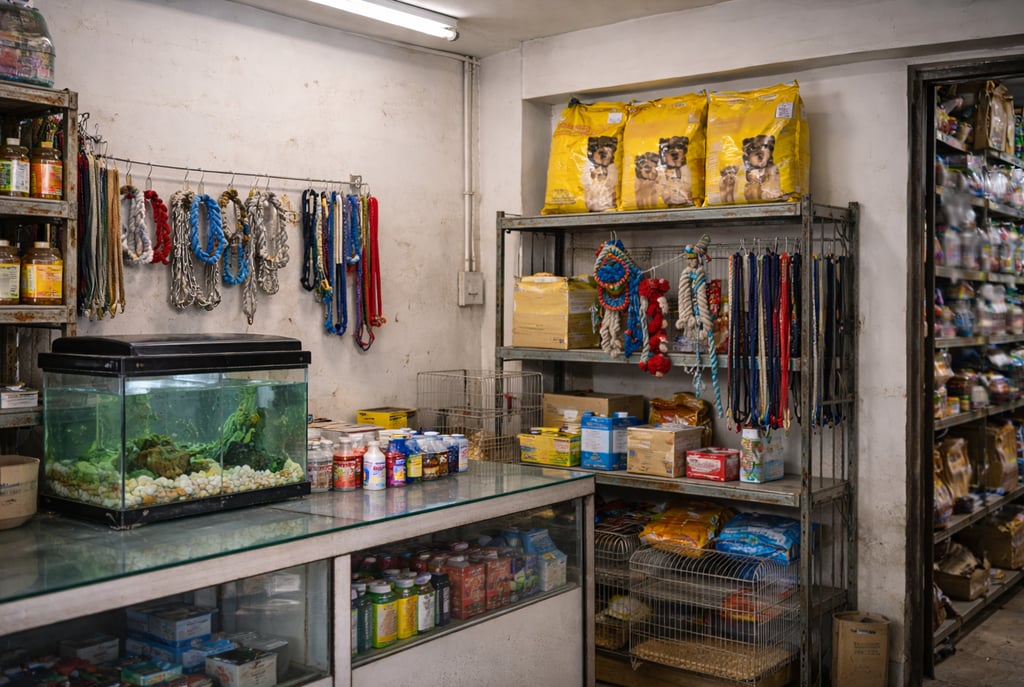
Years ago, I visited a small pet section inside a novelty store in a Mumbai suburb to buy a training chain. The offering was simple: a few packs of dog food — usually Pedigree — some rope toys, collars and leashes. As we left, the owner casually offered to “arrange” a dog if we wanted one. Pet shops were extensions of other businesses, informal and relationship-led. Veterinary hospitals focused on treatment, pet clinics stocked minimal retail, and grooming services were rare. The economics were straightforward: low inventory, low overhead, steady repeat customers.
That, the Indian pet retail business has changed more in the last fifteen years than in the previous thirty is a gross understatement. Independent pet shops — once the backbone of neighbourhood pet care — now operate in a market that barely resembles the one they started in.
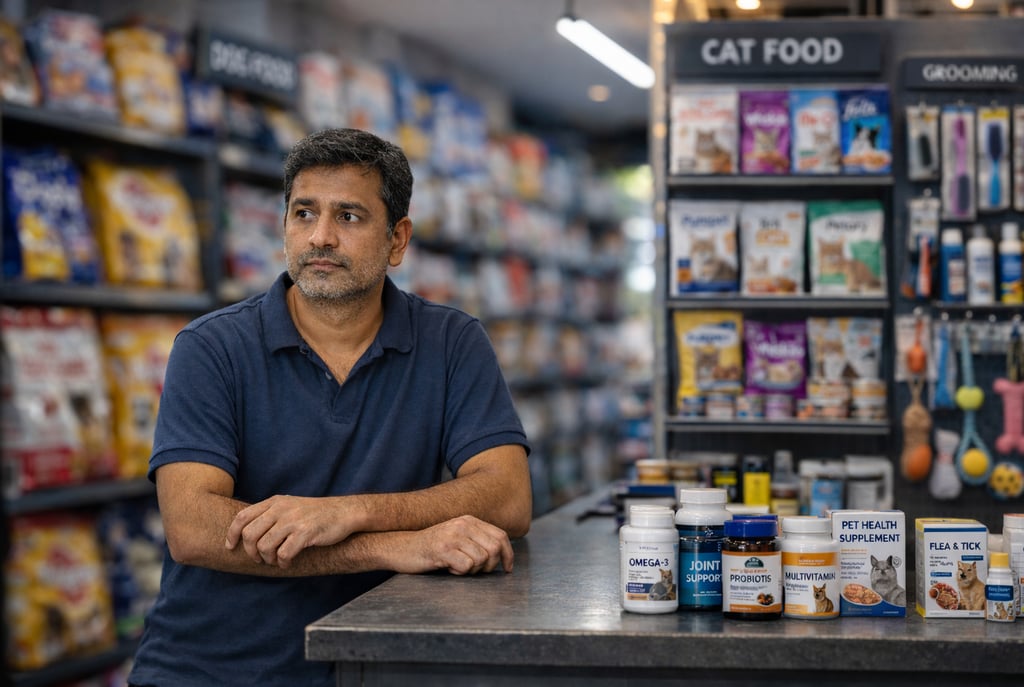
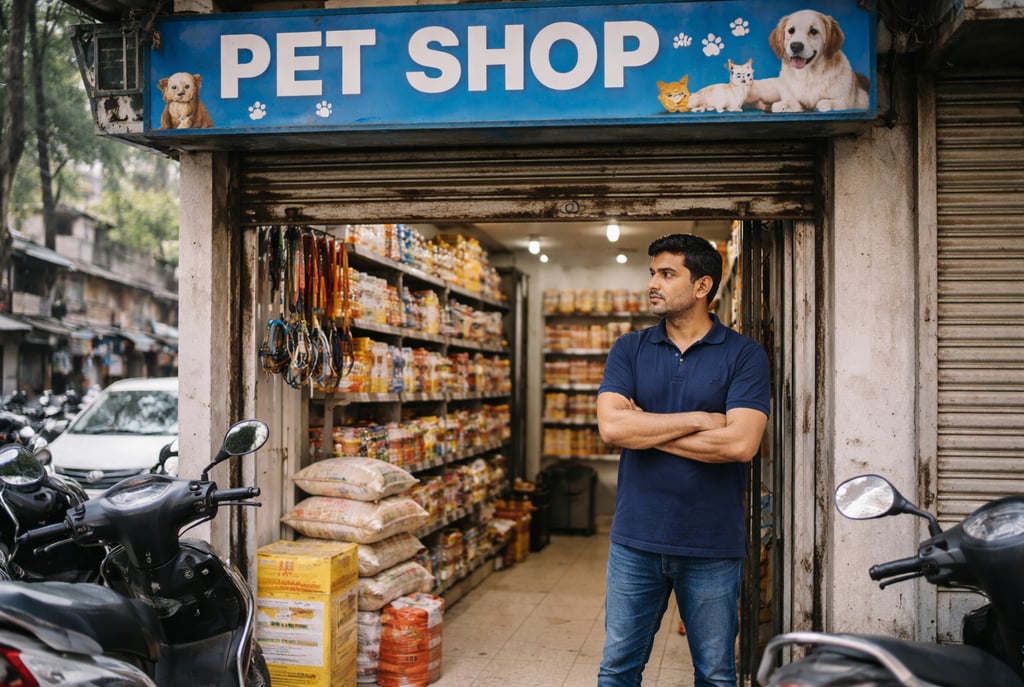
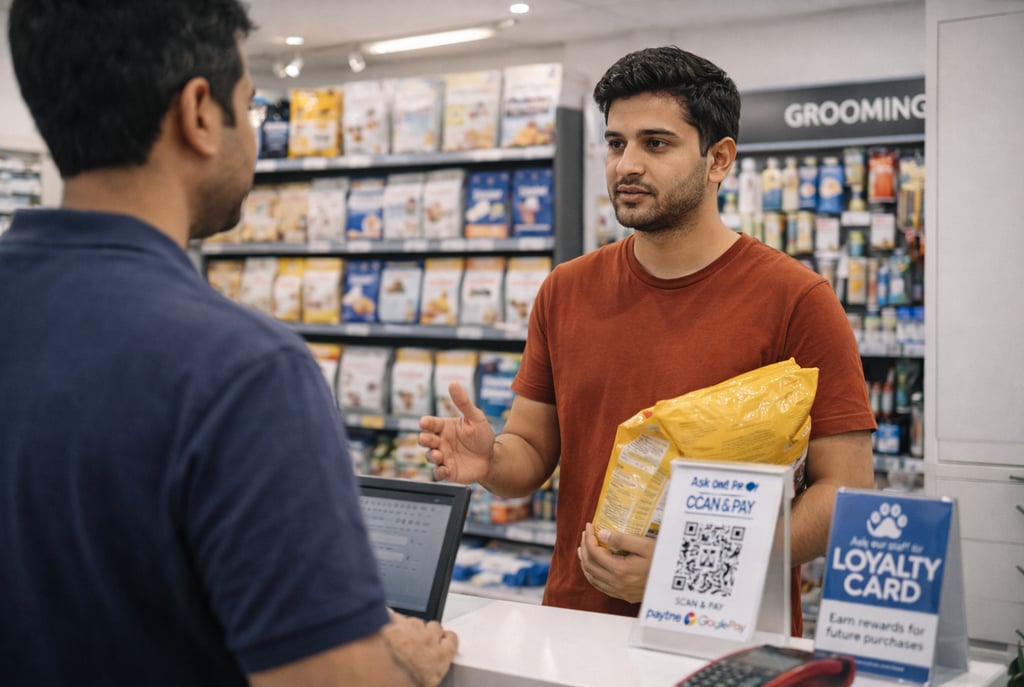
Fast forward to 2026. I recently visited a standalone pet store in another Mumbai suburb, one of four owned by the same proprietor. The difference was striking — dedicated walls for chew toys and grooming products, a full cat section, an in-house grooming parlour, structured shelving throughout.
Modern pet shops yet cautious owners.
The store looked modern, but the owner’s tone was cautious. Competition was intense. Stock wasn’t moving fast enough. Corporate pet retail chains were expanding. Online platforms were discounting aggressively. Veterinary hospitals and pet clinics were selling prescription diets and preventive products directly.
“My relationships with customers are the only real advantage I have left,” he said.
That sentiment defines the reality of independent pet shops in India in 2026.
The Evolution of the Pet Retail Business in India
To understand why independent pet shops are under pressure, we have to step back and look at how the industry evolved.
Phase 1: Fragmented & Dog-Dominated Retail (1990s–Early 2000s)
In the late 1990s and early 2000s, pet ownership in cities like Mumbai and Delhi was largely practical. Retail was fragmented — a typical shop might sell aquarium fish, birds and a few bags of dog food alongside novelty items. There was almost no species segmentation, with nearly 90% of products focused on dogs. Pet shops were informal and low-structure. The model was simple: relationship-led, low inventory and low overhead.
Phase 2: Premiumisation & Structured Expansion (Mid-2000s–2019)
The early to mid-2000s marked a turning point with the arrival of premium dog food. Royal Canin made a strong early impact, followed by other international brands entering India. Urban incomes rose and “pet parenting” began replacing “pet ownership.”
Standalone pet stores emerged in cities like Bengaluru and Chandigarh. Veterinary clinics expanded retail shelves, particularly for therapeutic diets and supplements. Grooming was still niche but gaining visibility.
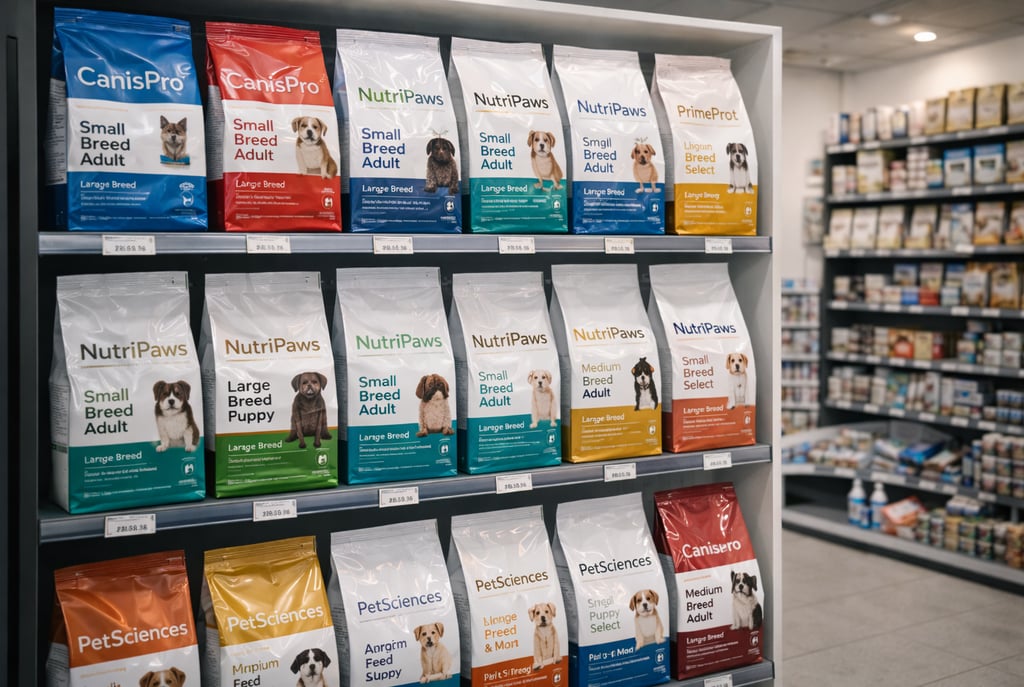
Phase 3: The COVID Acceleration & Competitive Explosion (2020 onwards)
COVID accelerated growth dramatically. The Indian pet care industry saw sustained double-digit expansion. The market became layered and highly competitive.
Veterinary hospitals evolved into integrated care centres. Pet clinics expanded in-house retail. E-commerce platforms introduced subscription pet food models, bundled home vet visits and grooming packages. Cat ownership grew significantly, reducing the historical dominance of dog-only products. Grooming became almost mandatory — even within veterinary settings.
In the middle of this rapid transformation stands the independent pet shop, now competing simultaneously with organised retail chains, online platforms, veterinary hospitals and integrated pet clinics.
That structural shift explains the cautious tone of today’s independent retailer.
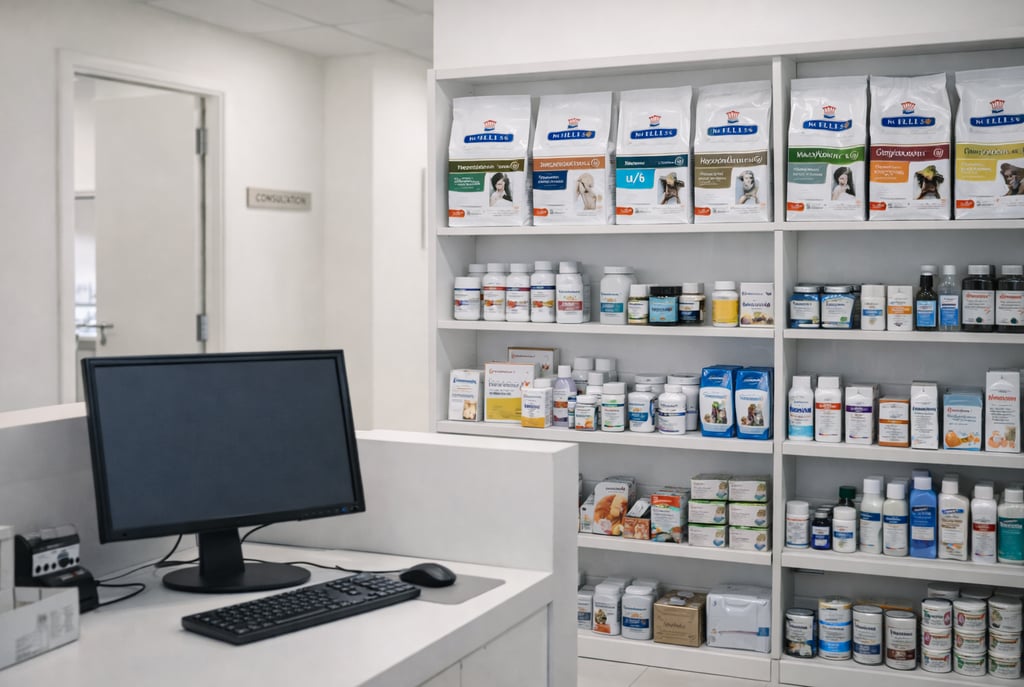
How the Pet-Shop business model has changed?
“I don’t only have to compete with bigger pet shop chains, but also with veterinary doctors and sometimes even pet trainers,” said the owner of an independent pet shop in Mumbai who runs three outlets.
Indeed, like the pet shop owner complained, Independent pet shops have evolved far beyond being simple supply counters. Earlier, they stocked basic food and accessories, occasionally facilitated animal sourcing, and relied heavily on familiarity and convenience.
Today, particularly in Tier 1 cities such as Delhi and Kolkata, these stores resemble compact retail hubs. They carry breed-specific and life-stage diets, prescription food recommended by veterinary hospitals, grooming products, supplements and an expanding cat range.
This expansion has increased complexity. Higher inventory, larger working capital and slower stock movement create financial pressure. Added pressure of commercial rents and labour costs have definitely added to pet shop owners woes.
In Tier 2 cities like Jaipur and Chandigarh, the shift is gradual but visible. In Tier 3 and Tier 4 towns, independent shops still depend on relationships — yet e-commerce and digital exposure are raising expectations everywhere. The business model has become more sophisticated, but margins have not kept pace.
The major challenges faced by Pet shops today.
The challenges independent pet shops face in 2026 are not isolated — they are structural and interconnected.
Below are five distinct pressures reshaping the independent pet retail business in India.
The multiplication of SKUs across nutrition, healthcare, grooming and cat categories has significantly increased capital requirements. Independent stores must stock breed-specific diets, life-stage formulas, prescription nutrition, supplements and imported treats to remain competitive. Slow-moving stock, expiry risks and blocked working capital create constant financial pressure.
1. Inventory & Working Capital Strain
2. The Rise of E-Commerce & Delivery Platforms
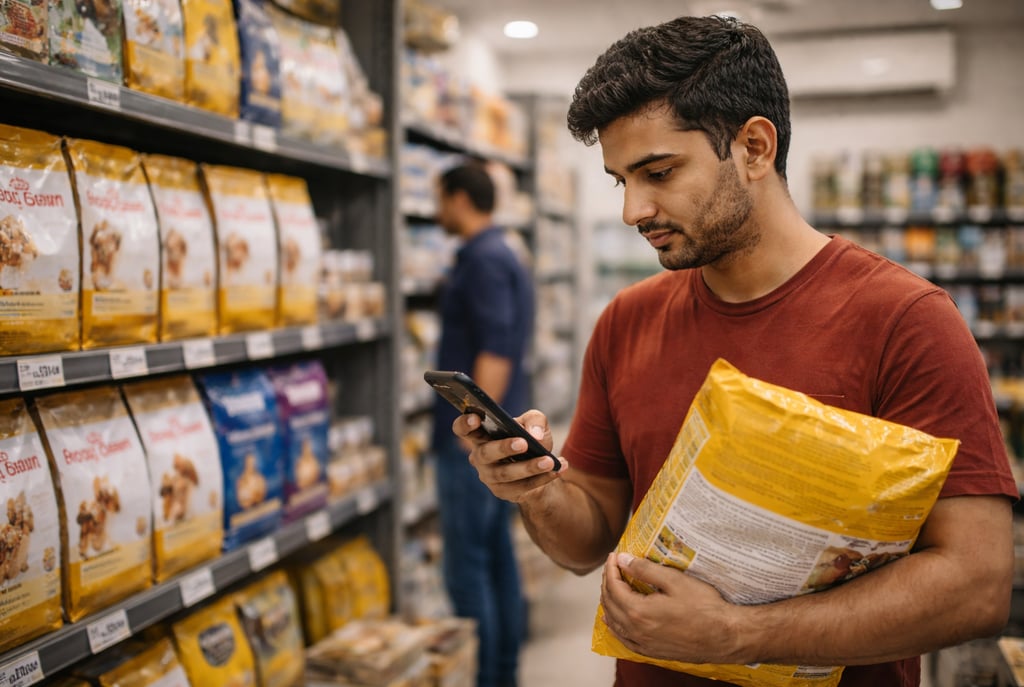
Online shopping has fundamentally changed buying behaviour. Customers can compare prices instantly while standing inside a store. Subscription discounts, flash sales and bundled offers make it difficult for smaller retailers to compete on price.
Additionally, pet food and essentials are now available on human grocery delivery apps, often sourced directly from local retailers.
3. Competition from Veterinary Hospitals & Pet Clinics
Veterinary hospitals and pet clinics are increasingly retaining retail revenue in-house. Prescription diets, preventive healthcare products and supplements are stocked within clinics, and recommendations made during consultations often convert immediately into on-site purchases.
This reduces the referral flow that once supported independent pet shops, particularly in Tier 1 cities.
4. Rising Operational Costs
Commercial rents in cities such as Mumbai and Delhi have risen steadily. Labour costs, particularly for trained groomers and retail staff, add further pressure.
As stores expand into grooming and value-added services, overheads increase without guaranteed proportional growth in margins. The fixed cost base is significantly higher than it was a decade ago.
5. Escalating Customer Expectations
Today’s pet parent expects more than product availability. They look for nutritional guidance, hygiene standards, digital presence, loyalty programmes and often home delivery options.
An independent pet shop must now function like a structured brand rather than a transactional counter. The gap between rising expectations and limited infrastructure is where competitive pressure intensifies.
Together, these five forces are reshaping the independent pet retail landscape in India in 2026.
Where Independent Pet Shops Stand in 2026
Independent pet shops remain central to neighbourhood ecosystems — but they are operating in a market that now demands scale, structure and strategic clarity.
“My relationships with customers are the only real advantage I have left,” These wise words from the Pet shop owner in Mumbai holds the key. The advantage of trust still exists. But trust must now be combined with positioning, operational discipline and adaptation.
In Part 2, we will examine how independent pet shops can reposition themselves within this evolving ecosystem — and whether collaboration, specialisation or digital adoption offers a path forward.
Email- info@baubaupetservices.com
© 2025. All rights reserved
Location
Indira Sahakar Nagar
No 3, Ground floor,
Nahur Road, Mulund West
Mumbai 400080
Hours
Monday to Saturday 10 AM - 6 PM
+91 93217 31654