
Pet Games: The Ultimate Pet Parent & Brand Engagement Idea!
Pet brands in India are moving beyond giveaways. Discover how customised pet games drive deeper engagement, education-led participation, and long-term brand recall with pet parents.
S. A Anthony
1/28/20263 min read
When Engagement Numbers Stop Meaning Anything
In late 2022, a well-known pet store chain selling imported pet products and accessories across India decided to launch its own pet food brand.
The positioning was interesting. The brand placed itself between kibble and fresh food, highlighting the use of Indian herbs and describing the product as “chemical-free” — a term that sounded appealing, even if its meaning was never clearly explained.
To build buzz, the brand launched a series of short videos featuring children and pets. The campaign performed exceptionally well on the surface.
Within a week, the brand celebrated over 10,000 comments on its posts.
And then, the momentum stopped.
Once the campaign ended, website traffic dropped back to baseline. Product understanding remained low. Very few participants remembered why they had engaged in the first place.
It highlighted an uncomfortable truth about D2C marketing in the Indian pet food space:
High engagement does not always mean meaningful engagement — and it rarely guarantees sales.
Why Pet Parents Engage Differently
Pet parenting is not casual consumption.
Unlike lifestyle or FMCG categories, decisions around pets involve responsibility, emotion, and long-term outcomes. A dog’s food affects digestion. A cat’s routine impacts behaviour. These are not impulse decisions.
This is why pet parents in cities such as Bengaluru, Pune, and Hyderabad behave differently online. They don’t simply respond to offers. They respond to experiences that make them think, reflect, and learn.
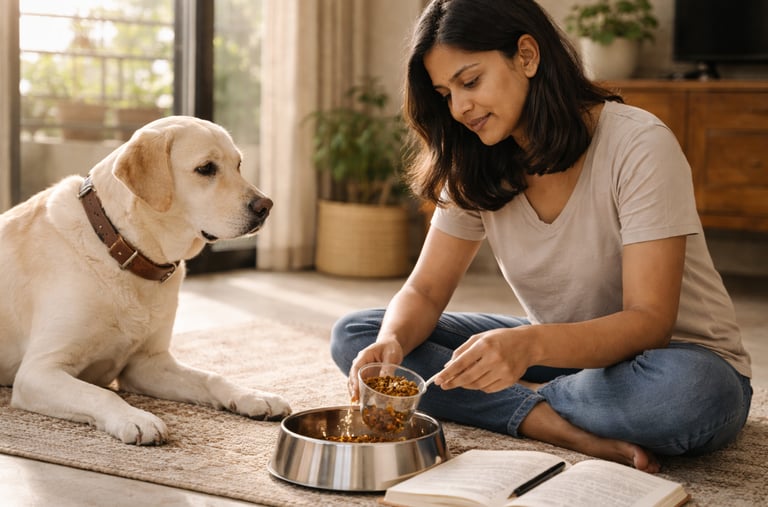

Why Giveaways and Contests Plateau Quickly
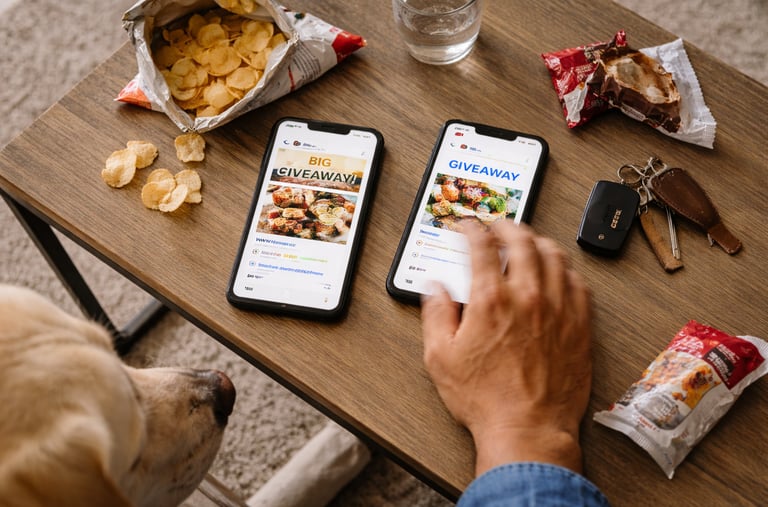
Traditional engagement formats — giveaways, comment-to-win posts, discount-led contests — are built for speed. They reward immediacy, not attention.
In pet care, this creates a mismatch. Pet parents may participate, but they rarely internalise the message. The brand becomes associated with the reward, not with value. Once the reward disappears, so does interest.
This isn’t because pet parents are disengaged.
It’s because pet care does not behave like a typical consumer category — and treating it like one creates a disconnect.
This gap between how brands market and how pet parents actually think is explored in detail in our article on why traditional digital marketing models often fail pet-care brands, and why context-aware engagement matters far more in this category.
How Customised Pet Games Change the Equation
Customised pet games introduce a subtle but powerful shift: they require participation, not reaction.
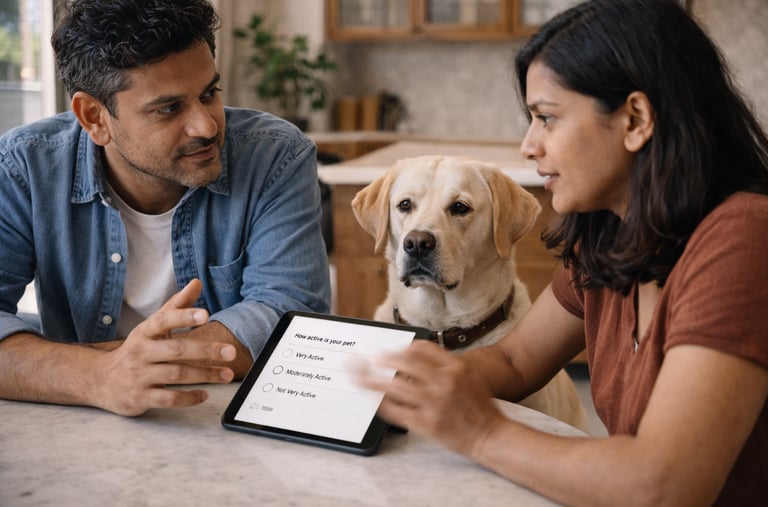
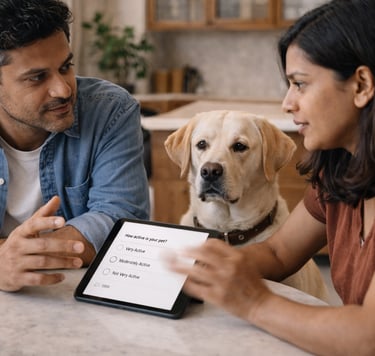
Instead of asking pet parents to tag or comment, games encourage them to think about their pet’s habits, answer knowledge-based questions, and reflect on nutrition, lifestyle, or care routines.
A simple quiz on feeding behaviour or seasonal care does more than entertain — it initiates learning. When paired with data analysis, these interactions reveal genuine patterns and trends.
And when pet parents enjoy the experience, they are far more willing to share honest information.
For example, a simple quiz question:
Where do dog parents mostly buy pet food?
a) Online
b) Local stores
c) Both
Points or rewards add a healthy competitive element. Because the interaction feels fair and enjoyable, responses tend to be more truthful. If most answers point towards online purchasing, that insight matters — regardless of who wins.
In cities like Delhi and Chennai, brands have found that short, knowledge-led games create deeper recall than weeks of passive content.
This is not education alone, and not entertainment alone.
It is edutainment.
From Participation to Trust
Many brands misunderstand pet games. The value is not in play alone. The value lies in guided interaction.
When games are designed with veterinary or nutrition inputs, they become:
Educational without being clinical
Engaging without being misleading
Memorable without being loud
Pet parents don’t feel marketed to.
They feel involved.
Over time, this structured participation builds trust. Pet parents share information because the exchange feels balanced. Brands gain clarity, not just clicks.
Where Pet Games Fit Best
Customised pet games work particularly well for:
Digital brand campaigns
Product education launches
Pet events and conferences in cities like Mumbai, Delhi, and Pune
Community-led activations
They are not a replacement for marketing.
They are a refinement of it.
In a category built on care, engagement works best when it respects how pet parents actually think.
To learn more about customised pet games by PET KHEL, click here.
Email- info@baubaupetservices.com
© 2025. All rights reserved
Location
Indira Sahakar Nagar
No 3, Ground floor,
Nahur Road, Mulund West
Mumbai 400080
Hours
Monday to Saturday 10 AM - 6 PM
+91 93217 31654