
Why Pet Influencer Marketing Is mostly not Working for Pet Brands in India?
Pet influencer marketing often fails in India due to credibility gaps and reach-first selection. Learn what pet parents trust, and how pet brands can build influence responsibly.
S. A Anthony
1/30/20263 min read
High Reach, Low Impact
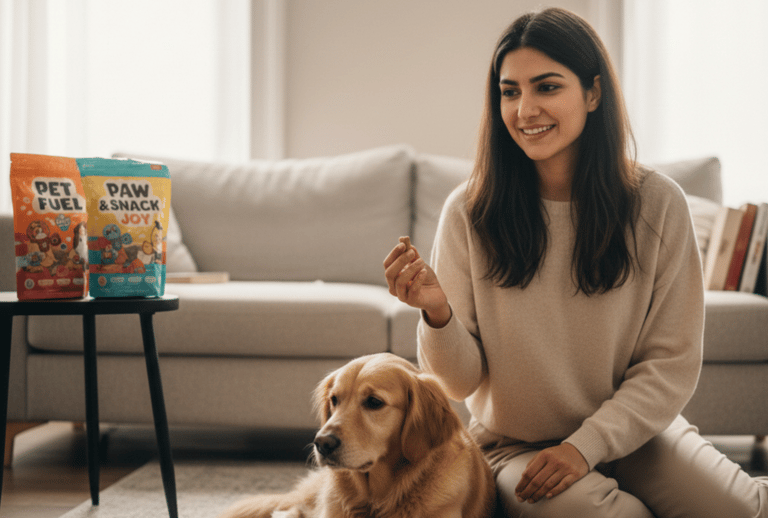
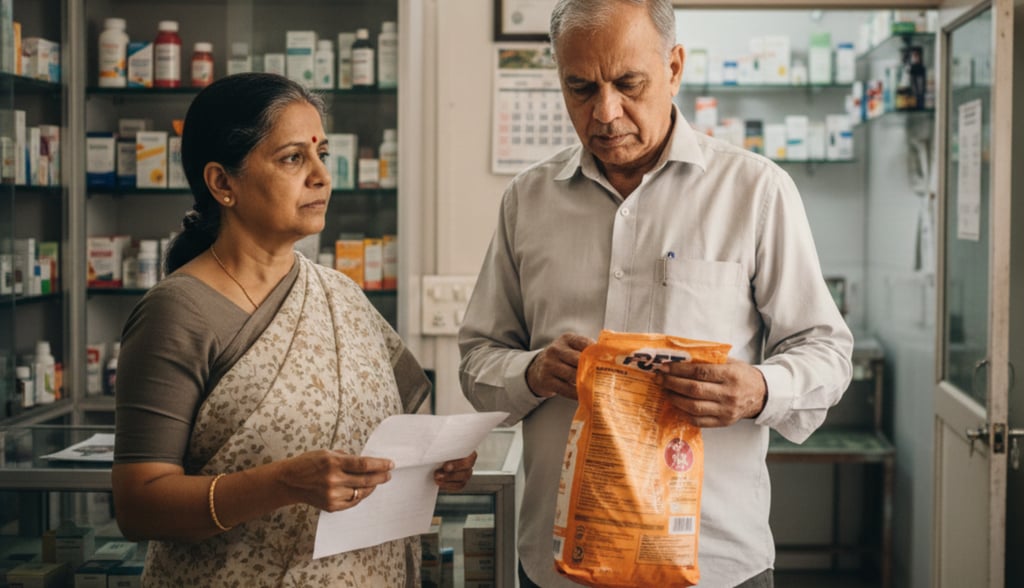
In December, an established pet food brand — one that had been in the Indian market for years and was already trusted by pet parents — decided to push its year-end sale.
The objective was simple: move inventory during the festive season and reward early buyers with a limited-time discount.
The brand collaborated with a set of well-known pet creators across Mumbai, Pune, and Bengaluru. None of them were “mega influencers” — most had between 40,000 and 180,000 followers, which, in the Indian pet space, is considered strong reach. The content went live over two weeks.
Reels performed well. Comments were positive. Stories had decent swipe-ups.
On paper, it looked like a successful campaign.
Sales told a different story.
Despite visibility and engagement, conversions remained largely flat. There was no meaningful spike in orders, no noticeable lift beyond the brand’s usual baseline. Internally, the team was confused. Externally, the campaign was quietly labelled “branding-focused” and moved on from.
This gap between attention and action is no longer an exception. It’s becoming the norm in pet influencer marketing across India.
The Illusion of Reach in Pet Influencer Campaigns
Most Indian pet influencers don’t command massive audiences — and that’s not the problem. The issue is how brands interpret influence.
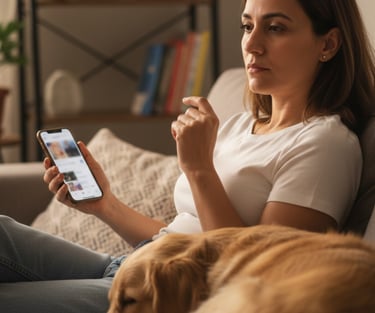
A reel getting 50,000 views feels reassuring. Comments filled with heart emojis look positive. But pet parents rarely buy immediately based on a single post, especially when it comes to food, supplements, or health-related products.
Pet care decisions in India are layered with soch-vichaar. Pet parents watch, observe, ask their vet, compare prices, and often wait. When influencer content is treated as a direct sales lever rather than a trust-building touchpoint, disappointment is inevitable.

Where Most Pet Influencer Campaigns Go Wrong
Across campaigns we’ve observed, the same issues repeat:
Over-reliance on visibility
Brands expect reach to convert on its own, without supporting context, education, or follow-through.Generic creator-brand fit
A popular pet account is chosen, but their audience may not align with the brand’s category, price point, or use case.No structured funnel
Influencer content exists in isolation — no landing experience, no retargeting, no continuity after the post goes live.Discount-first messaging
Offers are pushed before trust is built, especially risky in categories linked to pet health.
In the December sale campaign, pet parents saw the content, acknowledged it, and moved on. There was no reason to act now, and no system to bring them back later.
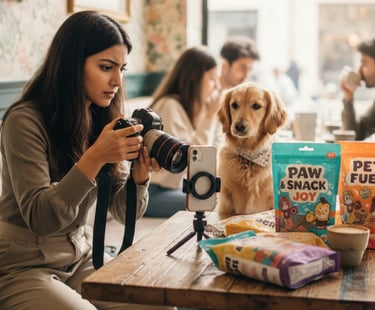
Why Engagement Rarely Equals Sales in Pet Care?
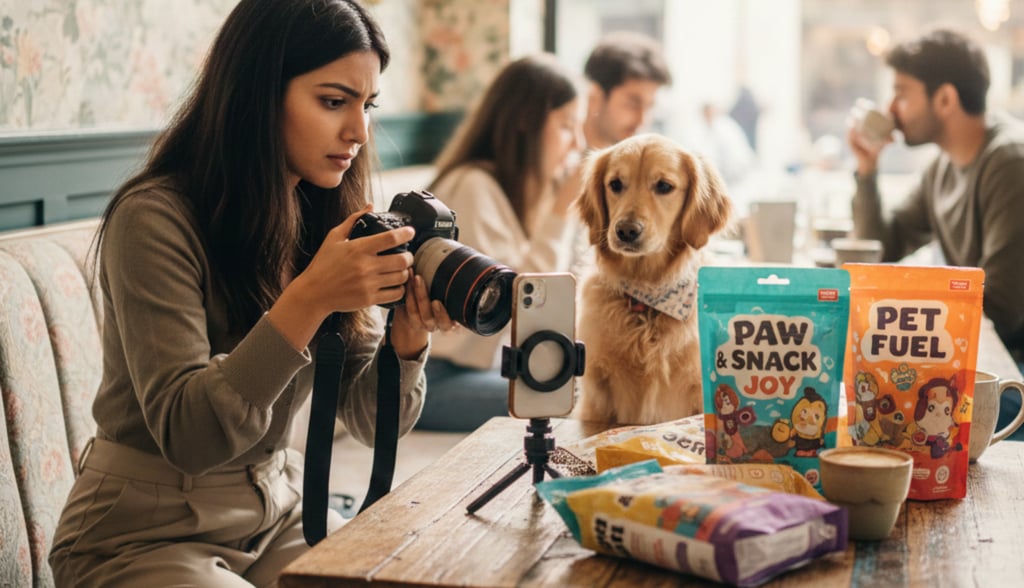
Unlike impulse categories, pet care sits at the intersection of emotion and responsibility. Pet parents are cautious. They don’t like feeling sold to — especially by creators who rotate brands frequently.
When influencer content lacks education, personal context, or continuity, it becomes just another post in the feed. Even well-meaning creators can’t compensate for a missing strategy.
The result? Brands assume influencer marketing “doesn’t work,” when in reality, it’s being used incorrectly.
What Actually Works: Reframing Influencer Marketing
Influencer marketing in pet care works best when it’s treated as one layer of a larger system — not the system itself.
Effective campaigns focus on:
Role clarity
Influencers build familiarity and social proof, not instant conversions.Category-aligned creators
Smaller, consistent voices often outperform bigger but less relevant accounts.Education-led storytelling
Explaining why a product fits a pet’s life works better than pushing offers.Follow-through mechanisms
Retargeting, community touchpoints, email or WhatsApp continuity, and review capture matter more than likes.
When creators are plugged into a structured funnel — rather than dropped into a one-off campaign — outcomes improve significantly.
The Smarter Alternative: Influence + Infrastructure
The brands seeing results today are those combining influencer visibility with:
Structured D2C funnels
Community-led engagement
Expert-backed education
SEO and discovery systems that capture intent later
Influencer content becomes the starting point, not the end goal.
In the December campaign example, even modest funnel support — a clear landing journey, follow-up communication, or retargeted reminders — could have converted warm interest into delayed but measurable sales.
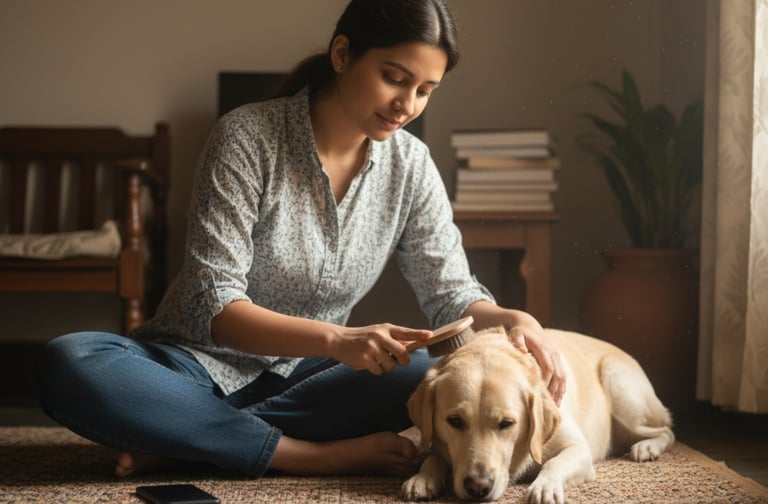
The Real Question Brands Need to Ask
The question is no longer “Which influencers should we work with?”
It’s “What happens after someone watches the reel?”
Until that answer is clear, influencer marketing in Indian pet care will continue to look busy — and quietly underperform.
Email- info@baubaupetservices.com
© 2025. All rights reserved
Location
Indira Sahakar Nagar
No 3, Ground floor,
Nahur Road, Mulund West
Mumbai 400080
Hours
Monday to Saturday 10 AM - 6 PM
+91 93217 31654